News Story
 Arts
Arts
The Better India · 129 days ago
Kerala Declares Valmutty Its First Music Village — a 2000-Year Musical Legacy
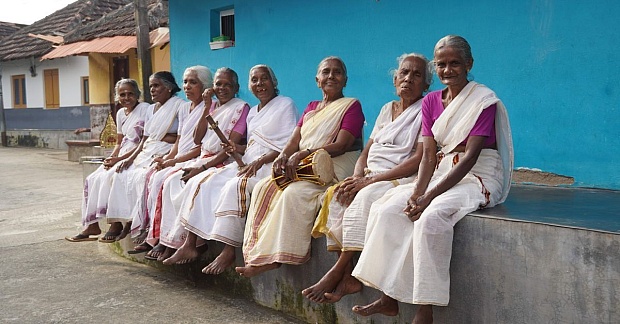
In Valmutty, a village of just 54 households where music has passed through bloodlines for over two millennia, recognition arrived not as discovery but as long-overdue acknowledgment-the difference between being seen and finally being named. The Paanars, descendants of Sangam-era court musicians who once "carried culture at a time when there were no newspapers, no social media and no documentation-just voices and instruments," have sustained their songs through memory alone, devotional hymns drifting from temple courtyards while families still struggle to afford the instruments that define them. Kerala's declaration of its first 'Pattu Gramam' creates a peculiar tension: it celebrates a tradition that survived precisely because it needed no official validation, yet the community now hopes this title will deliver what devotion could not-funding, spaces, futures for children who must choose between family income and performance. Here is the paradox of living heritage: the very act of formalizing what was organic risks changing its nature, even as neglect would have slowly starved it. What Valmutty asks is whether a society can honor what it once overlooked without turning song into spectacle, whether dignity can be restored without the weight of preservation crushing the thing it means to protect.