News Story
 Education
Reasons To Be Cheerful · 106 days ago
The Most Chess-Obsessed Country in the World
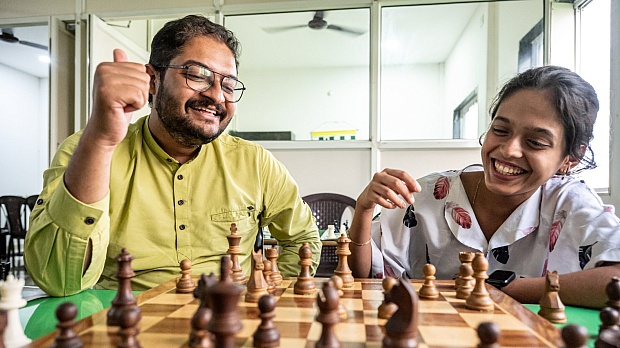
In a village once ravaged by alcoholism and illegal gambling, a former Maoist rebel returned home with sixty-four squares of possibility-and the game of chess became the antidote to despair, transforming Marottichal into a place where farmers now huddle over boards in rice paddies instead of bottles. Across India, chess has transcended its ancient origins as chaturanga, a war game of sacrifice and strategy, to become both a religion and a route out of poverty: "I may be blind, but chess has given me a vision for a bright future," says national blind chess champion Rajesh Oza, who teaches sighted students to play in their minds the way he must. What emerges is a nation where three-year-olds earn international ratings, where five-year-old twins pepper their mother about her "endgame" at the family altar, and where the humble board offers what India's most marginalized communities need most-a level playing field. The game teaches its devotees that every choice carries consequence, that sacrifice can open paths to victory, and that sometimes the most transformative move is learning to sit still long enough to see several futures at once.