News Story
 News
News
Guardian · 34 days ago
‘Groundbreaking’ Un Agreement on Justice for Women to Include Those in Prison for First Time
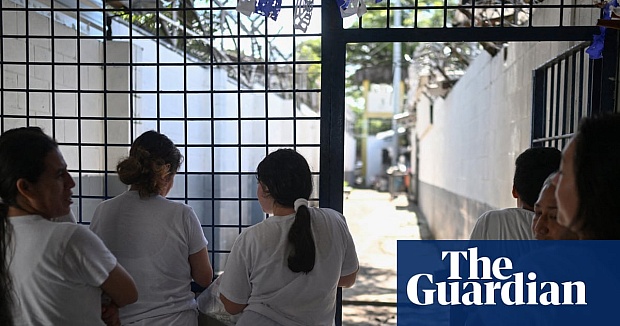
For the first time in seventy years, the UN Commission on the Status of Women has explicitly recognized women in prison in its global agreement on justice -- a milestone that campaigners call "groundbreaking" after years of advocacy by formerly incarcerated women and civil society organizations. As female incarceration approaches one million globally, rising 60% since 2000 at nearly three times the rate for men, the inclusion acknowledges what has long been invisible: the links between discriminatory laws, violence, and the pathways that push women into criminal justice systems. "Visibility is important -- but it must now be matched by action," says Mary Robinson, former UN high commissioner for human rights, calling for investment in community-based solutions that address root causes like poverty and violence rather than perpetuating cycles of incarceration. Behind the diplomatic language of the agreement are the lives of more than 740,000 women and girls in detention, including 19,000 children living in prison with their mothers, now finally part of the global conversation on gender equality.