News Story
 News
News
NPR · 35 days ago
These Women Prisoners Face a Harsher Reality Than the Men
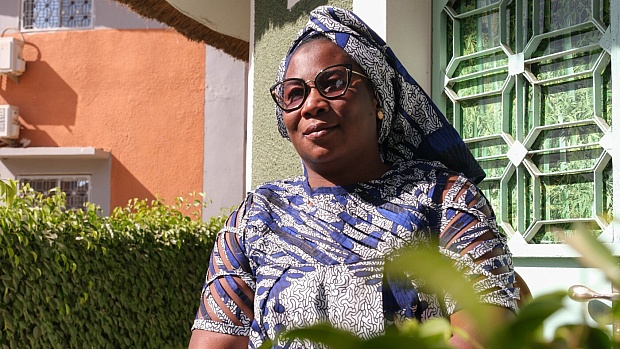
In Senegal's prisons, women carry a double sentence: the one handed down by courts and the one imposed by their own families and communities. Maïmouna Diouf, convicted of infanticide in a case she insists was a stillbirth, recalls arriving at Thies detention center in 2021 to find dirty mattresses on the floor and asking herself, "This is my life now?" But the physical hardship pales beside the moral isolation - in a culture that expects women to hold families together, those accused of crimes like abortion or infanticide are often abandoned by the very people they need most. Some women wait up to six years for trial while relatives, pressured by community judgment, turn away from them; others emerge from prison to find no one willing to help them rebuild, trapping them in a cycle that leads back to incarceration. What breaks this pattern, as Diouf and others discovered, is not righteousness but mercy - the insistence by a mother or sister or stranger that, as one prison advocate puts it, "they are all human, and she can do something she regrets. So she should have a chance to have a clean slate."