News Story
 Arts
Arts
themarginalian.org · 10 days ago
Kafka’s Approach to Creative Block and the Four Psychological Hindrances That Keep the Gifted From Living up to Their Gifts...
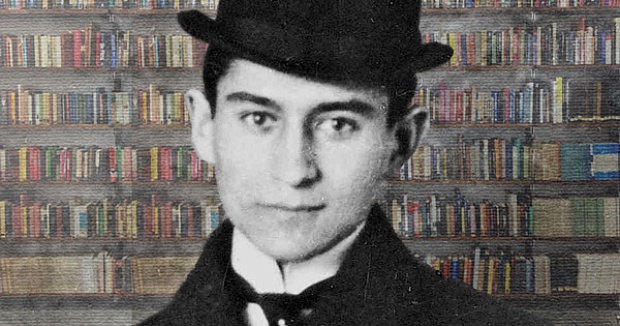
Franz Kafka's private diaries reveal a writer perpetually at war with himself, haunted by what he calls "nervous states" and the agonizing conviction that his talent is being squandered. Through his raw confessions of creative paralysis, four universal hindrances emerge: the paradox of time-anxiety, where "too little time" coexists with wasted mornings and procrastination; the crushing weight of self-comparison, particularly to Goethe, which leaves him feeling like "an incapable, ignorant person" fit only "to crouch in a kennel"; the relentless sabotage of self-doubt, manifest in his lament that "every little piece of the story runs around homeless and drives me away from it in the opposite direction"; and the paralyzing grip of world-anxiety, the war's sorrows devouring him "from every direction." Yet within this chronicle of despair lives an essential truth: Kafka kept writing precisely because he understood it as "my struggle for self-preservation" - and the remedy for writer's block, he discovered again and again, was simply writing itself.