News Story
 Technology
NPR · 2 days ago
The Little Probe That Could: Why Voyager 1 Matters, and Why Nasa Just Switched Part of It Off
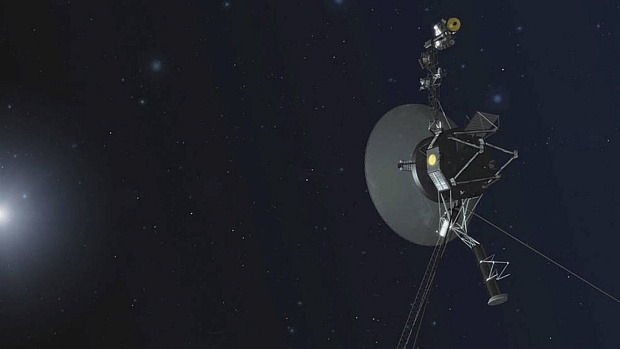
Built to last five years, Voyager 1 has been traveling for nearly fifty, now more than 15 billion miles from Earth - so distant that a radio signal takes 23 hours to reach it. Running on the slow decay of plutonium, losing four watts of power each year, the spacecraft is finally running out of time, forcing engineers to shut down one of its last science instruments to preserve what remains. The choice reflects a tender paradox: sometimes keeping something alive means accepting what must be let go. "While shutting down a science instrument is not anybody's preference, it is the best option available," says the mission manager, as the team works to keep at least one instrument operating into the 2030s. What began as a five-year mission to Jupiter and Saturn has become humanity's farthest reach into the cosmos - a small machine still whispering back from interstellar space, teaching us that endurance is not about perfection, but about knowing what to hold onto when everything else must fall away.