News Story
 Inspiration
themarginalian.org · 7 hours ago
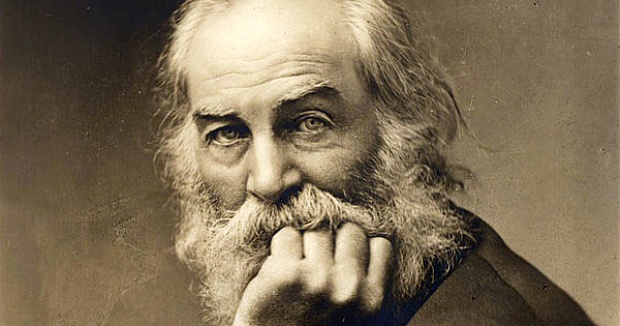
Walt Whitman, Shortly After His Paralytic Stroke, on What Makes Life Worth Living – the Marginalian
When a paralytic stroke exiled Walt Whitman from his own body at fifty-three, it forced him to reckon with what makes a life worth living. The disability that left him clumsy and easily tired paradoxically opened his eyes to what had been sustaining him all along: friendship, nature, and what he called "mere daylight and the skies." A decade after the stroke, still half-paralyzed but with spirits "first-rate," Whitman discovered "the trick" was "to tone your wants and tastes low down enough, and make much of negatives." His radical insight, born from limitation, was that after exhausting business, politics, and love, "Nature remains" - not as consolation prize, but as the deepest answer to our hunger for meaning.