News Story
 Environment
theconversation.com · 8 hours ago
Don’t Just Plant trees, Plant Forests to Restore Biodiversity for the Future
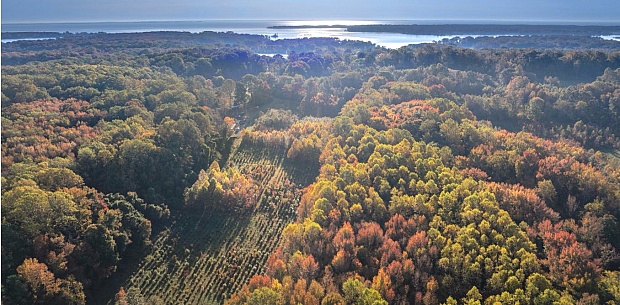
For thirteen years, scientists have watched two versions of the future grow side by side on sixty acres near the Chesapeake Bay -- and the difference is unmistakable. In plots where sixteen native tree species were planted together, trees grew up to 80% larger than their counterparts in single-species rows, creating layered forests alive with birds, insects, and understory plants that struggle to survive in monoculture's biological deserts. "The goal isn't just to grow trees," the researchers write. "It's to grow forests that last." As the world races to plant a trillion trees this decade, the choice between replicating nature's diversity or repeating forestry's convenient monocultures will determine whether those saplings become resilient ecosystems or fragile timber rows vulnerable to the next drought, pest, or fire. The science is clear, but the harder work -- designing forests that serve both ecological health and human needs -- is only beginning.