News Story
 Environment
grist.org · 8 hours ago
Why Millions of Adorable Bees Are Emerging From This Cemetery | Grist
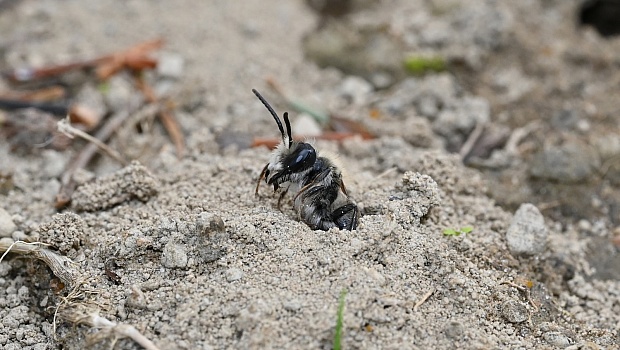
Beneath the tombstones of an Ithaca, New York cemetery, up to 8 million ground-nesting bees have built one of the largest known communities of their kind anywhere in the world. Scientists discovered that the regular miner bee - one of the 90 percent of bee species that live solitary lives, digging tunnels rather than forming hives - thrives in this unexpected sanctuary, drawn to the same qualities humans value for burial sites: well-drained soil that doesn't flood or collapse. The presence of parasitic cuckoo bees, which "devour everything in their path, including the host bee," paradoxically signals a healthy population robust enough to sustain such predators. As cities expand and wild habitats shrink, cemeteries are quietly becoming refuges for creatures from bats to rare plants, raising a question that feels almost sacred in its implications: "What would it look like to create a world where we continue to urbanize, but we do it in a way that leaves the space for some of these species?"