News Story
 Environment
The Optimist Daily · 4 hours ago
Germany’s Coal Mines Are Now Europe’s Largest Lake District | the Optimist Daily
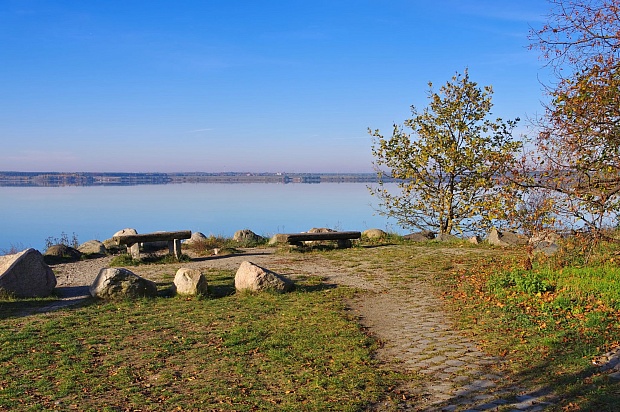
Where coal once gouged craters 200 feet deep into eastern Germany, engineers spent three decades doing something that defies conventional restoration: they built Europe's largest lake district from scratch. The Lusatian Lakeland, a 23-lake complex the size of Italy's Lake Como, required more than careful flooding -- it demanded the constant balancing of geotechnical stability, water chemistry, and the needs of rivers whose flow could not be disrupted. Dr. Uwe Steinhuber, who has overseen the transformation, calls it simply "a process that will take two generations." What emerged is both recreation destination and climate infrastructure, a water reservoir for drought-stricken rivers and a blueprint now studied by coal regions worldwide facing the same question: what do you build when extraction ends? The former miners and their families who once descended into those pits now work the hotels and marinas that ring the water, in a landscape that never existed before people chose to create it.