News Story
 Environment
Guardian · 21 hours ago
How Bolivia’s Cacao Farmers Took on the gold-mining Industry – and Won | Mining | the Guardian
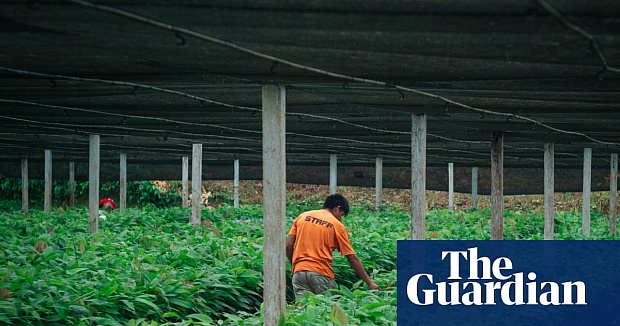
When gold prices soared past $5,000 an ounce, Bolivia's cacao farmers faced a choice: watch the miners turn their rivers toxic and their forests into moonscapes, or stand their ground. In Palos Blancos and Alto Beni, communities chose the latter, passing local laws in 2021 that banned mining entirely -- a grassroots rebellion that has since inspired at least ten other municipalities to follow suit. "People have realized that gold is temporary, but agriculture and conservation are for life," says one organizer, though the victory remains fragile in a country where the national government sees mining as economic salvation. The farmers call their cacao "purple gold," and in protecting it, they've drawn a line between extraction and cultivation, between what can be taken once and what can be tended across generations. Their success reveals a quiet truth: sometimes the fiercest resistance comes not from rage, but from people who simply refuse to destroy what feeds them.