News Story
 Environment
The Optimist Daily · 5 hours ago
Why Cities Are Becoming an Unlikely Refuge for Wildflowers | the Optimist Daily
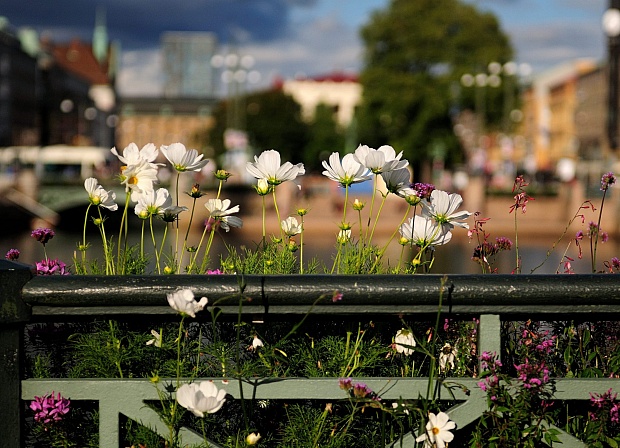
As cities expand and agricultural intensification continues to erase 97 percent of the UK's wildflower meadows, something unexpected is happening: the very conditions that make urban environments hostile to most plants -- cracked pavements, contaminated brownfield sites, neglected verges -- are creating havens for wildflowers that thrive on stress and instability. "In urban areas they can find their niche, because there are all these specialist habitats," explains pollinator ecologist Nadine Mitschunas, noting how the patchwork of microclimates allows wildflowers to escape the dominant grasses that would otherwise crowd them out. The effects ripple upward: a single unmown Cambridge lawn converted to meadow attracted three times the plant, insect, and spider diversity, and even changed pollinator behavior, with bumblebees now establishing winter colonies in cities. Yet the ecological success runs headlong into a cultural divide, where long grass reads as neglect rather than intention, revealing how much work remains not in changing the landscape, but in changing what we recognize as care.