News Story
 Arts
Arts
themarginalian.org · 3 hours ago
The Invention of Empathy: Rilke, Rodin, and the Art of “Inseeing” – the Marginalian
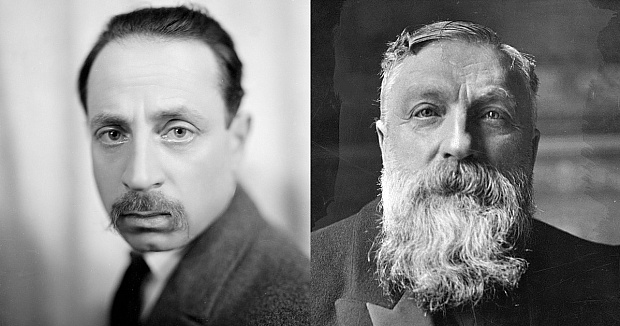
Before empathy became a word we use to describe human connection, it was born as a way to understand why art moves us - a concept of "inseeing," of projecting oneself so deeply into a work that one becomes both the seer and the seen. When young poet Rainer Maria Rilke studied with philosopher Theodor Lipps in 1890s Munich, he learned this radical act of looking, one that required "the wondrous voyage from the surface of a thing to its heart, wherein perception leads to an emotional connection." Years later, working alongside sculptor Auguste Rodin, Rilke would channel this practice of empathy into his beloved Letters to a Young Poet, transforming an aesthetic theory into a way of being in the world. What began as an explanation for how red paint could "run like blood in the veins" became the gateway through which we learn to see ourselves in others - proof that the deepest human connections often emerge from the most unlikely origins.