News Story
 Arts
Arts
themarginalian.org · 8 hours ago
Wilderness, Solitude, and Creativity: Artist and Philosopher Rockwell Kent’s Century-Old Meditations on Art and Life During Seven Months on a...
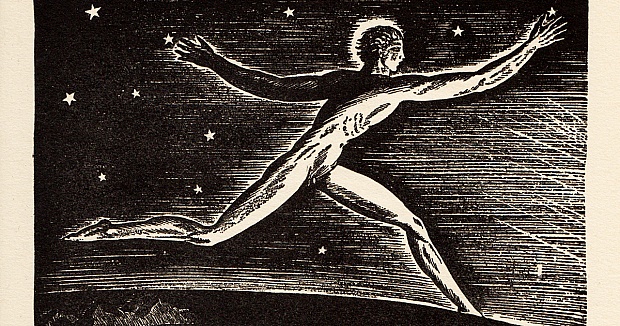
In 1918, as war ravaged the world and the Spanish Flu swept through civilization, artist Rockwell Kent - thirty-six, dispirited, and broke - voyaged with his nine-year-old son to a small Alaskan island in search of what he called "the ultimate." There, in a converted goat-house stocked with paint, books, and his father's silver flute, he spent seven months learning that "in the wilderness, in uneventful solitude, men for companionship must find themselves." The brutal beauty of his days - painting until his brushes froze, teaching his son to read by firelight, watching killer whales in the cove - became a crucible for discovering that "the wilderness is nothing else" but a mirror giving back "all and only all that the imagination of a man brings to it." What Kent found in that elemental quiet was not escape from the world but a way back into it, carrying the knowledge that we need not fear destiny when we learn "to live for the heaven that can be made upon earth."