News Story
 Environment
The Better India · 6 hours ago
We’ve All Seen the Yamuna’s Foam. but What Does It Take to Clean a 1,376-km River?
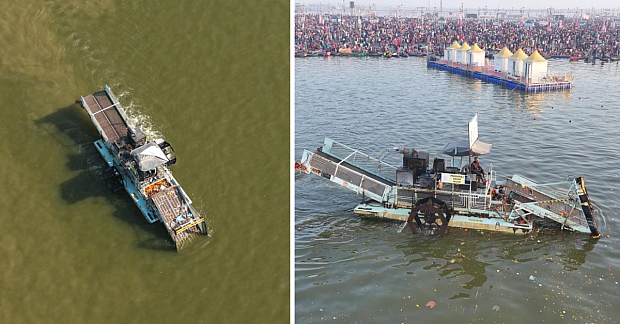
For two decades before mechanized cleaning, workers like Ajay Singh waded into rivers choked with sewage and sharp debris, pulling waste by hand, their bodies absorbing the constant risk of cuts, infection, and chemical exposure. When Gaurav Chopra left corporate consulting to work on Dal Lake with his uncles, he discovered a truth that would shape the next 20 years: "Literally every city had a lake or a drain that was screaming to be cleaned." His family-run company now operates across 25 states, deploying machines that systematically remove silt, weeds, and floating waste while tracking every hour of work to ensure rivers stay maintained, not just momentarily cleared. The transformation is measured not in grand proclamations but in quiet returns-migratory birds reappearing over Prayagraj's Sangam, children playing again along Bengaluru's lake banks, and Kumar's simple observation that "the river feels clean again, like it is part of our lives once more." What began as one contract has become a patient argument that restoration is not a dramatic rescue but a discipline, the unglamorous work of showing up year after year to tend what was abandoned.