News Story
 Youth
Youth
Greater Good · 9 hours ago
What We Get Wrong About Teaching Kids to Apologize…
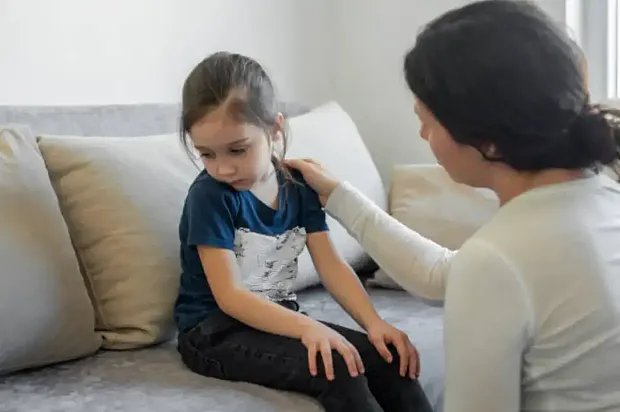
When adults demand that children apologize and forgive immediately after conflict, they teach compliance rather than moral understanding-a quick fix that bypasses the emotional work true forgiveness requires. Forgiveness researcher Suzanne Freedman explains that genuine forgiveness "involves a willingness to abandon one's right to resentment" while fostering compassion toward someone who doesn't deserve it, a complex moral choice that cannot be rushed or coerced. Children who are pressured to say "I'm sorry" or "I forgive you" before they're ready learn to suppress their feelings rather than process them, missing the chance to develop emotional literacy and resilience. The alternative is harder but truer: validating a child's anger or hurt, teaching them that uncomfortable emotions are survivable, and trusting them to choose forgiveness in their own time. What looks like disorder-a child saying "I'm still hurt and need more time"-is actually the beginning of authentic moral development.