News Story
 Inspiration
themarginalian.org · 7 hours ago
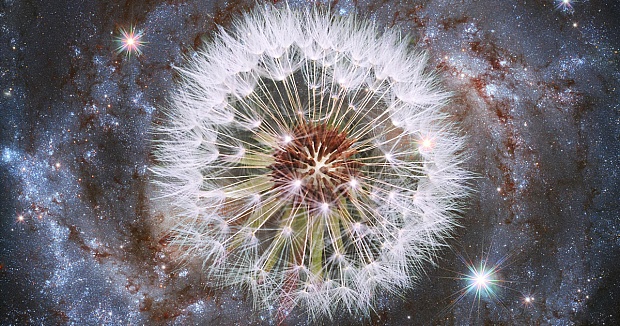
The Dandelion and the Meaning of Life: G.K. Chesterton on How to Dig for the “Submerged Sunrise of Wonder” –...
Standing before a dandelion on a morning run, Maria Popova confronts the staggering improbability of consciousness itself-the brief interlude between chaos and chaos when atoms organize into wonder, feeling, and the capacity to make meaning. She turns to G.K. Chesterton, who understood that "the object of the artistic and spiritual life" is "to dig for this submerged sunrise of wonder; so that a man sitting in a chair might suddenly understand that he [is] actually alive, and be happy." Chesterton saw that the real danger is not familiarity but comparison-the corrosive belief that we somehow deserve dandelions, orchids, or existence itself, rather than receiving them as the unbidden miracles they are. What makes a person suddenly grateful to be alive, looking at something as ordinary as a weed, is not optimism or sentiment but the radical recognition that none of this-the dandelion, the consciousness perceiving it-had to be at all.