News Story
 Arts
Arts
themarginalian.org · 14 hours ago
Hannah Arendt on the Power of Being an Outsider – the Marginalian
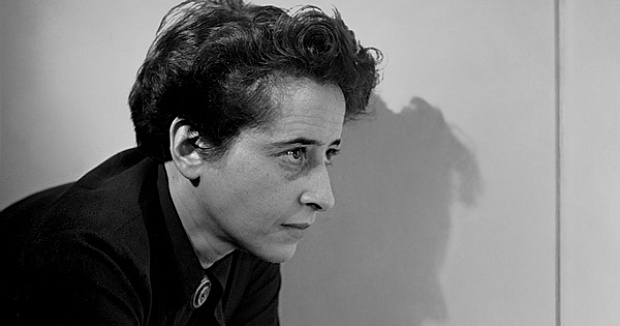
Hannah Arendt observed something paradoxical among the persecuted and exiled: that those pushed to the margins of society often develop a "special kind of humanity" unavailable to those who remain comfortably inside. In dark times, she argues, the oppressed draw so close together that the ordinary distance between people dissolves, creating "a warmth of human relationships which may strike those who have had some experience with such groups as an almost physical phenomenon." Yet Arendt insists this kinship reaches its fullest expression not through shared suffering but through shared joy - through friendship that celebrates gladness rather than only consoling grief. The world becomes human, she suggests, only when we make it "the object of discourse," when we speak together about what moves us and learn through that speaking to be more fully alive.