News Story
 News
News
Reasons To Be Cheerful · 13 hours ago
May Cause Joy: the Full-Spectrum Health Benefits of Dance
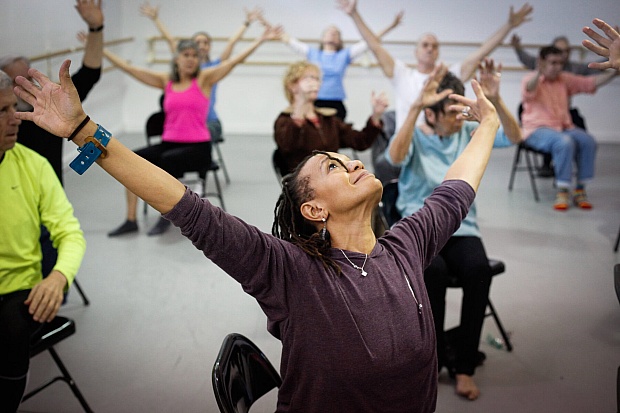
After dancing for two hours at a David Byrne concert, journalist Michaela Haas rediscovered something she'd forgotten: the way movement can unlock joy that feels unreachable in ordinary life. What began as a personal experiment with weekly dance classes led her to the science behind that shift -- research revealing that dance doesn't just lift mood temporarily, but actually reshapes the brain, building cognitive reserve that offers "the best prevention" against dementia and creating new neural pathways for people with Parkinson's who find that "I sometimes cannot walk, but I can dance." The effects run deeper than fitness or even neuroplasticity; when bodies move in rhythm together, stress hormones drop while dopamine and serotonin rise, generating what scientists call "pleasure cycles" that forge connection and lower the very barriers that keep people from showing up. In dance studios from Brooklyn to Los Angeles, participants keep returning not because they should, but because moving to music with others offers what clinical interventions often can't: a full-spectrum medicine for full-spectrum conditions, where an imaginary volleyball game can end with every arm lifted in genuine victory.