News Story
 Community
The Better India · 13 hours ago
What Are Uju and Rangkang? Inside the Anal Naga Tribe’s Indigenous Forest Conservation System in Manipur
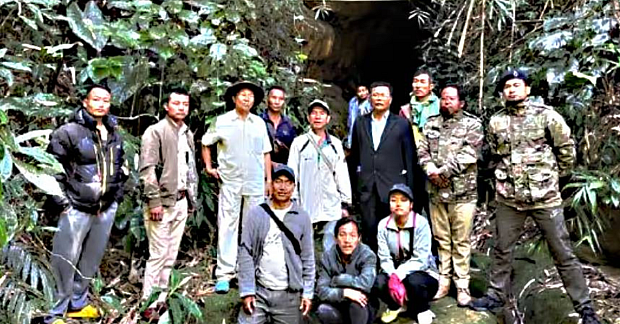
For generations, the Anal Naga tribe in Manipur has protected forests through Uju and Rangkang-community-led systems where decisions flow not from distant authorities but from village assemblies, where cutting a single tree requires collective permission and sacred groves still command reverence. These are not wilderness areas emptied of people, but "living spaces tied to memory, livelihood, spirituality, and collective responsibility," where streams sustain villages, medicinal plants are gathered with care, and forests survive because everyone understands their survival depends on them. A tree felled without approval costs Rs 150, plus the market value of timber-accountability measured not just in rupees but in inherited knowledge that predates modern conservation by centuries. While global policy debates whether humans belong inside or outside protected areas, the Anal community has long since answered: forests endure when communities govern them as extensions of themselves, neither commodities to extract nor monuments to lock away. What looks like tradition from the outside is actually something more practical-a working model of coexistence that has kept both people and forests alive.