News Story
 Environment
The Better India · 8 hours ago
How Sambalpur in Odisha Earns Rs 20 Lakh a Month From Waste Through Its ‘Wealth Centres’
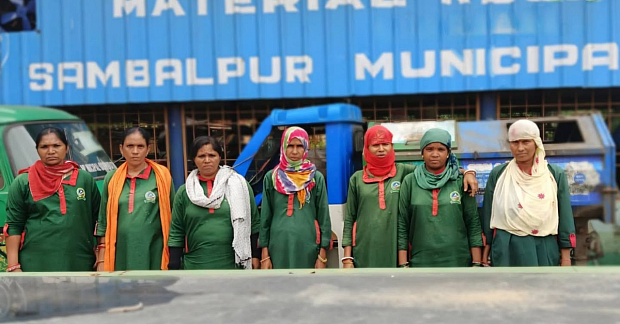
In the mid-sized city of Sambalpur, Odisha, women like Sunita Pradhan-once a daily wage laborer-now run nine "Wealth Centres" that transform 170 metric tonnes of daily garbage into Rs 20 lakh in monthly revenue through composting and recycling. These women, drawn from Mission Shakti self-help groups, don't just collect waste-they teach neighbors to segregate it, convert organic matter into fertilizer for farmers, and sell recyclables to vendors, proving that "the cleanest cities of the future won't be the ones that can afford to hide their garbage best, but the ones that finally learn to value it." The model rests on a quiet revolution: mandatory household segregation, decentralized processing, and the recognition that invisible labor-typically done by the most marginalized-becomes powerful when formalized and respected. What makes Sambalpur remarkable is not exceptional resources but exceptional execution, a replicable blueprint showing that India's projected 30,000 crore rupees in annual waste value need not vanish into landfills.