News Story
 Inspiration
The Better India · 8 hours ago
How One Rajasthan Village Gave India the Right to Information Act
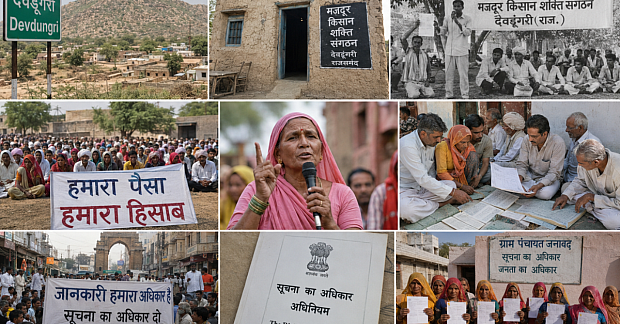
In a small Rajasthan village, semi-literate workers began asking a simple question: if public money belongs to the people, why can't people see how it's spent? What followed were public hearings where government records were read aloud in village squares, allowing citizens to verify whether documented projects had actually been completed and wages truly paid - a grassroots process that exposed widespread corruption and birthed India's Right to Information Act. When a journalist asked Sushila, a woman who had studied only through fourth grade, why an uneducated person wanted RTI, her response became the movement's rallying cry: "When I send my son to the market with ten rupees, I ask him to account for how he spent it. The government spends crores of rupees in our name. Why can we not ask for an accounting?" The jan sunwai hearings proved that ordinary citizens, many of them women with minimal formal education, were entirely capable of scrutinizing official records when given access - transforming transparency from a technical demand into a matter of basic dignity. What began in Devdungri with activists living alongside villagers became national law in 2005, demonstrating that lasting democratic change can emerge from a village square when people decide they have the right to know.