News Story
 Community
Waging Nonviolence · 5 hours ago
The Quiet Resistance of working-class Women in Egypt | Waging Nonviolence
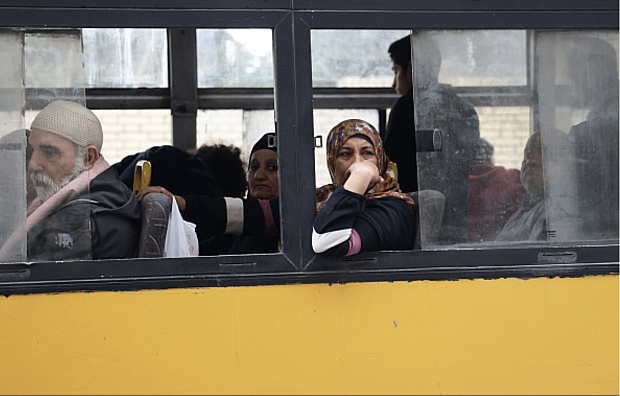
Working-class women in Egypt practice resistance not through protest, but through the small, strategic acts that protect autonomy when public dissent carries too high a cost. Samah prepares dinner with coworkers during breaks to reclaim time; Shahd quietly diverts wages into a private e-wallet, explaining, "I'm not saving for something dramatic; I'm saving so I don't have to depend on anyone"; Noura relies on WhatsApp networks and rotating savings circles to navigate emergencies without falling into predatory debt. These women are not merely coping-they are dismantling the everyday mechanisms of control over their money, time, and movement, building what amounts to an invisible welfare system that operates below the threshold of punishment. When resistance cannot be loud, it becomes ordinary enough to pass, collective enough to endure, and deliberate enough to count.