News Story
 Arts
Arts
NPR · 4 hours ago
'Cool Ladies Club' Is a Biopic by 10 working-class Women
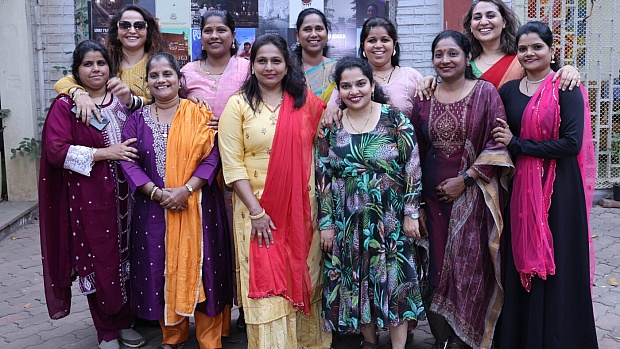
Ten working-class women from Mumbai - domestic workers, toilet operators, community health workers, home caregivers - picked up smartphones and made a 70-minute documentary about their own lives, premiering it before an audience of 1,200 at a storied art-deco theater. The film grew from a five-minute sanitation piece into something far more personal: proof, as filmmaker Shilpi Gulati put it, that "having fun is not frivolous" and that "being mast and claiming joy is cool - it is a radical act of resistance against oppressive structures." One of the co-directors, Rehana Shaikh, nearly cut her scene dancing in her kitchenette out of deference to a husband who hadn't wanted her on camera at all - but her fellow directors urged her to keep it, and at the premiere, her husband and children cheered and called out to strangers in the audience: "She is my wife, that's my mother." What the film quietly insists, and what the story around its making confirms, is that creativity withheld is not creativity extinguished - only waiting for someone to hand over a camera and ask what you see.