News Story
 Arts
Arts
Positive News · 8 hours ago
Ireland Is Now Paying Artists a Basic income. Will the Idea Catch on?
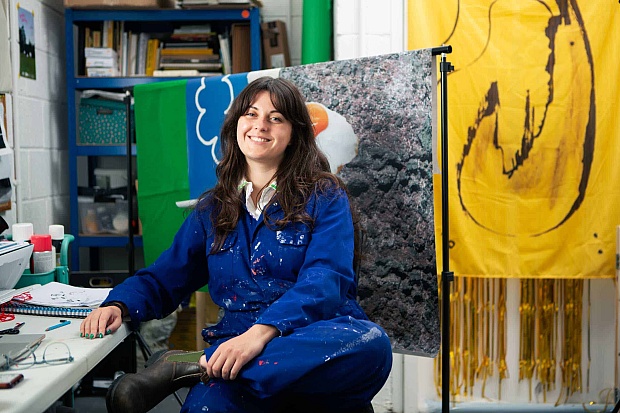
When Cork multimedia artist Elinor O'Donovan was working part-time as a receptionist just to pay rent, an entire film career was waiting, unrealized, on the other side of financial precarity. Ireland's newly permanent basic income for artists - the first such trial in history to become permanent - changed that, and in doing so raised a question that reaches well beyond arts policy: who gets to create, and what does a society lose when the answer is mostly those who can already afford to? The scheme's €25m investment generated €100m in measurable social and economic returns, but its subtler yield is harder to quantify - artists taking risks, making work that is, as O'Donovan puts it, "better and more ambitious." As AI erodes creative livelihoods and arts funding collapses across the UK, the Irish model suggests that underwriting imagination is not charity but infrastructure. "Imagination and creation are products of time and space," says Arts Emergency CEO Neil Griffiths, "but there isn't the time and space anymore" - and in that absence, whole voices go quiet before anyone hears them.