News Story
 Inspiration
themarginalian.org · 6 hours ago
Dostoyevsky, Just After His Death Sentence Was Repealed, on the Meaning of Life – the Marginalian
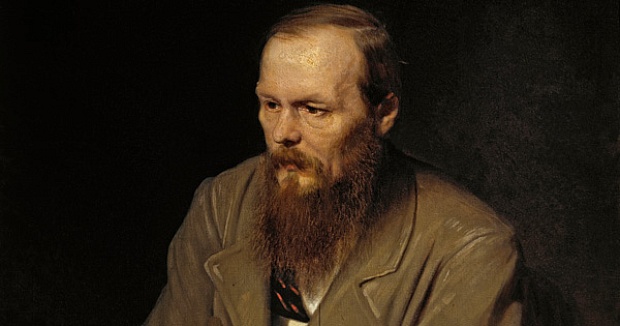
Standing in a public square in Saint Petersburg in 1849, twenty-seven-year-old Fyodor Dostoyevsky believed he had minutes to live - until a tsarist pardon revealed the execution had been theater all along, a despot's cruel performance of mercy. In the raw hours that followed, Dostoyevsky wrote to his brother with a clarity that only proximity to death seems to unlock: "Life is everywhere, life is in us ourselves, not outside... to be a human being among people and to remain one forever, no matter in what circumstances, not to grow despondent and not to lose heart - that's what life is all about." What is remarkable is not only the gratitude he found but the tenderness - he asked his brother to tell anyone he had wronged to forget it, because "there is no bile or spite in my soul." Maria Popova's essay traces how this shattering morning became the seed of everything Dostoyevsky would later write about suffering, goodness, and the duty to see the best in people, suggesting that some of the most enduring wisdom about being human was forged not at a desk but against an execution stake.