News Story
 Inspiration
themarginalian.org · 11 hours ago
The Meaning of Maturity: Ursula K. Le Guin on What It Really Takes to Grow up – the Marginalian
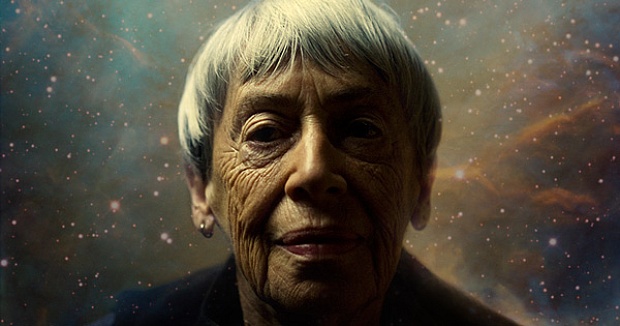
Ursula K. Le Guin understood growing up not as a shedding of former selves but as their integration - each prior version of a person not outgrown but carried forward, nested inside the adult walking the world today. Drawing on her 1979 essay collection, Maria Popova traces Le Guin's conviction that maturity is less a destination than an act of ongoing imagination - the willingness to look clearly at who one has been and who one might yet become. "I believe that maturity is not an outgrowing, but a growing up," Le Guin writes, "that an adult is not a dead child, but a child who survived." What follows from that belief is both demanding and quietly liberating: that self-knowledge requires facing one's own shadow, that imagination is not a luxury of childhood but the very faculty that makes a human being capable of wisdom, and that to sneer at it - in a child or in oneself - is to sneer at the possibility of becoming whole. In Le Guin's view, the courage to see ourselves clearly, shadows and all, is not a burden but the only honest path toward freedom.