News Story
 Nature
mongabay.com · 3 hours ago
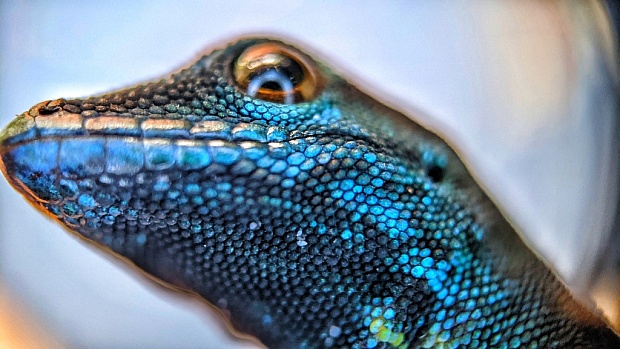
Tanzania's Electric Blue Gecko Comes Back
In the forests of central Tanzania, a gecko so vivid it seems painted exists on just 34 square kilometers of earth -- and for a while, it nearly vanished entirely into European pet shops. Between 2004 and 2009, poachers armed with machetes felled the screwpine trees these tiny reptiles depend on exclusively, stripping whole groves to grab the helpless geckos clinging inside. At the trade's peak, a single specimen fetched $1,500; an estimated 40,000 were exported, and screwpines went from covering more than half of Kimboza Forest Reserve to less than 18%. By 2016, ecologist Charles Kilawe said, "it was difficult to spot them." What followed is a quieter kind of story: international trade bans, a collapsing exotic-pet market, and then something more durable -- villagers surrounding Kimboza joining rangers to fell nearly 100,000 invasive Spanish cedar trees, plant 5,000 native trees a year, and cut forest fires by 80%. The geckos' population has returned to pre-crisis levels, and blue monkeys and rare birds have followed them back into a forest being stitched together, tree by tree, by the people who live beside it.