News Story
 Community
Reasons To Be Cheerful · 11 hours ago
Black Women Farmers Are Reclaiming the Land
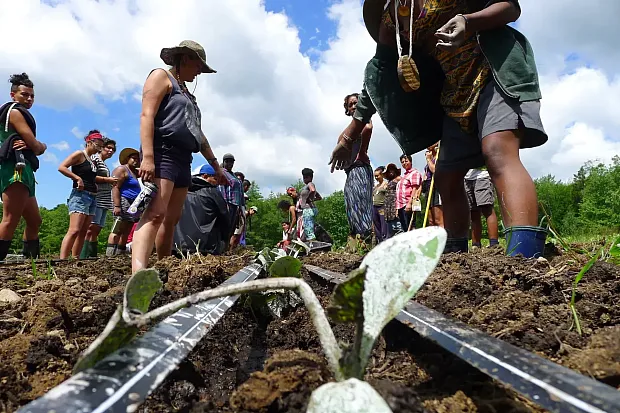
At Soul Fire Farm in Upstate New York, participants walk land that holds centuries of memory - learning not just how to grow food, but how to reclaim a relationship that was deliberately severed. "The land was the scene of the crime," Soul Fire Farm co-founder Leah Penniman has said, borrowing the words of a fellow farmer - to which her quiet reply is: "But the land was never the criminal." That distinction carries the weight of the whole story: Black women, whose foremothers braided okra seeds into their hair aboard slave ships so their foodways might survive, are now fighting policy rollbacks, land loss, and generational dispossession to return to soil that was always theirs. The work is practical - land trusts, urban micro-farms, legal advocacy - but it is also something older and harder to name, a restoration of dignity passed down through grandmothers' gardens and herbal remedies and the quiet knowledge of how things grow. When the author returns home from the farm and a young neighbor spots mint surviving the winter and says simply, "I know how to harvest," it lands as more than a sweet moment - it is evidence that the seeds being laid now are already taking root in the next generation of stewards.