News Story
 Inspiration
Greater Good · 9 hours ago
On Juneteenth, Black Women Reflect on Seeking Freedom…
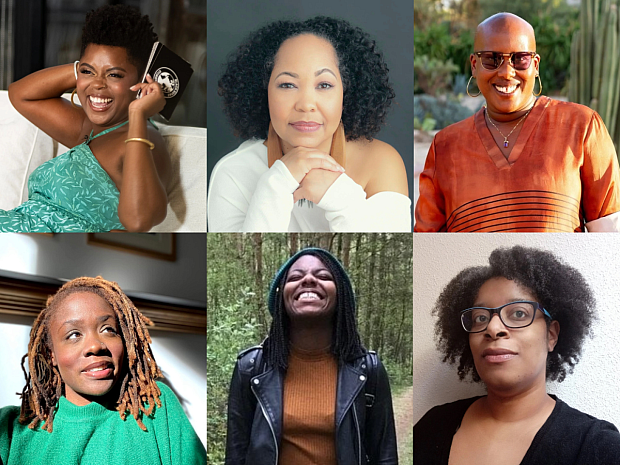
On June 19, 1865, enslaved people in Galveston, Texas learned they were free - more than two years after the Emancipation Proclamation had been signed. Migration researcher and oral historian Christine Job returns to that gap, between the declaration of freedom and its actual arrival in the body, as the animating question behind her six-year archive of Black women living abroad. Through more than 150 life-history interviews across 30 countries, she documents what science can measure - the accelerated biological aging known as "weathering," the paradox of Black Americans reporting higher flourishing even under greater strain - and what it cannot: the jaw unclenching, the interior voice finally audible, the slow work of becoming. One woman, after 12 years in Spain and hair that fell out in clumps at 24 before the healing began, put it plainly: "Where you are does not matter if you do not do the work to heal, to become who you truly want to be." Job's most careful distinction - that relief is a change in conditions while liberation is a change in structure - is also her most generous one, offered not as judgment but as the honest accounting that makes genuine freedom possible to pursue.