News Story
 Inspiration
themarginalian.org · 7 hours ago
Polyvagal Theory and the Neurobiology of Connection: the Science of Rupture, Repair, and Reciprocity – the Marginalian
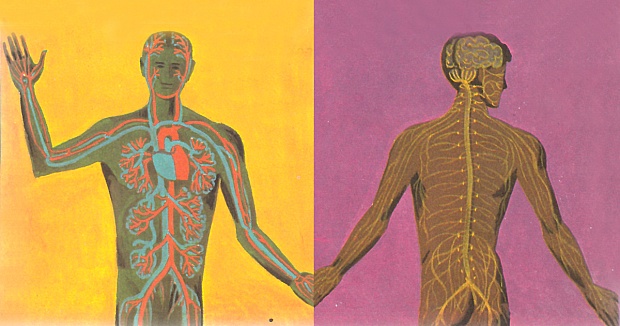
What neuroscience is slowly confirming is something the body has always known: connection is not a luxury but a biological imperative, woven into the oldest architecture of the nervous system. Maria Popova explores polyvagal theory - the science of how two vagal pathways, shaped by our earliest experiences of being soothed or abandoned, quietly govern our capacity for safety, intimacy, and change. Clinical psychologist Deb Dana writes that "the mind narrates what the nervous system knows - story follows state," a reminder that the narratives keeping people isolated or stuck in harmful patterns may not be truths so much as survival adaptations that outlived their purpose. The grounds for hope lie in what the science calls reciprocity: the slow, mutual recalibration that happens when two nervous systems meet in genuine attunement, gradually loosening the grip of protection in favor of connection. It turns out that love, at its most fundamental, is not a feeling we choose so much as a state of safety we grow - together - into.