News Story
 Inspiration
Greater Good · 11 hours ago
What Happens When Parents Say “I Was Wrong”
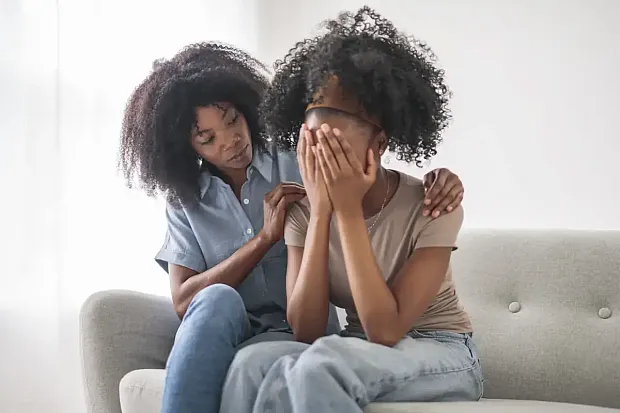
Research by psychologist Jean-Michel Robichaud confirms what many families quietly sense but rarely practice: when parents say "I was wrong," something repairs itself that defensiveness never could. Robichaud calls apologies "psychological vitamins" - and his data bears that out, showing that teens who receive genuine parental apologies are more likely to forgive, more likely to tell the truth, and less likely to lie. The obstacle, it turns out, is rarely indifference but self-protection - the deeply human discomfort of facing a mistake without letting it define you. What the research reveals is that a parent's willingness to be accountable doesn't erode authority; it deepens trust. "When you make a mistake," Robichaud says, "you just created an opportunity to teach several key values to your child and to nurture your relationship with your child" - which means the stumble itself, handled well, becomes the lesson.