News Story
 Inspiration
Reasons To Be Cheerful · 9 hours ago
Singing the Shopping List: How Music Can Rewire the Brain After Stroke
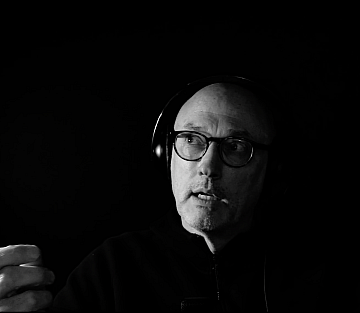
After a stroke stole his words, Naresh Shanbhag found an unexpected path back through melody - learning to sing his grocery list each morning when ordinary speech still failed him. At India's first music cognition lab, neuropsychologist Shantala Hegde and her team are doing something quietly remarkable: using rhythm and song to coax undamaged parts of the brain into compensating for what trauma has taken, at a cost of just over forty dollars for twenty sessions. "Music is a powerful tool for neuropsychological rehabilitation because you engage the entire brain to engage with it," Hegde explains - a principle that is ancient in intuition and only now being confirmed by rigorous science. What Shanbhag's story reveals is something both neurological and deeply human: that the brain, given the right invitation, will find its way around the wreckage. A year after his stroke, he serenades his wife with Bollywood songs - a little, he sings, is enough, and only a little more is needed.