News Story
 Arts
Arts
themarginalian.org · 7 hours ago
True Love Will Find You in the End: Kurt Vonnegut on When to Stop Trying and When to Try Again...
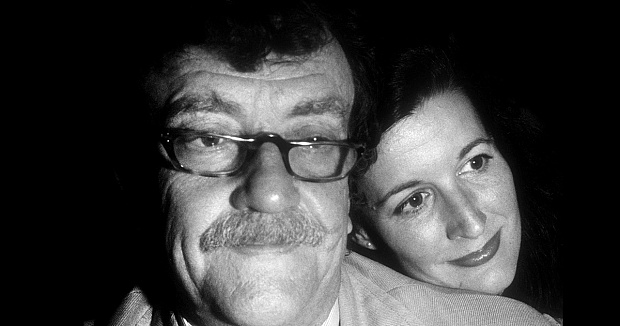
Kurt Vonnegut survived the firebombing of Dresden, the slow collapse of a twenty-five-year marriage, and the quiet devastation of believing himself a failure - and what Maria Popova's careful excavation of his letters reveals is how long it can take a person to stop confusing endurance with love. Writing to his daughter about the marriage's end, Vonnegut was characteristically honest: "We hurt each other back and forth so much, almost absent-mindedly, that it was common sense for us to separate, if only to break the rhythm." What followed was not a tidy second act but years of limbo, drinking, and grief before a photographer named Jill Krementz - who saw straight to "the roiling core of his wounded tenderness" - loved him steadily enough that he slowly stopped fighting her for it. The story asks something quietly difficult of the reader: whether letting go of what no longer sustains life is an act of failure or, finally, of care - for oneself, for the other, for whatever good years remain.