News Story
 Inspiration
themarginalian.org · 2 hours ago
How the Great Zen Master and Peace Activist Thich Nhat Hanh Found Himself and Lost His Self in a Library...
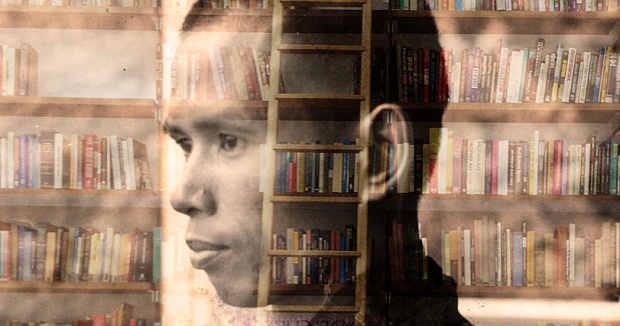
Late one night in 1962, a young Thich Nhat Hanh pulled a heavy book from the shelves of Columbia University's Butler Library and discovered, from a slip of paper tucked inside, that he was only the third person to borrow it in seventy years - and was overcome with the wish to embrace the two strangers who had stood in that same spot before him. What followed was not a mystical vision but something quieter and more shattering: the dissolution of the boundary between self and world, between longing and belonging. "I understood that I am empty of ideals, hopes, viewpoints, or allegiances," he wrote in the journals later published as *Fragrant Palm Leaves* - not as a confession of defeat, but as the description of an arrival. Maria Popova's essay draws on these intimate writings to show how the monk who would bring mindfulness to the West first found his way to himself by losing himself entirely, undone by a library book and two unknown borrowers lost to time. What emerges is a portrait of the self not as something to be protected or perfected, but as a veil that, when it lifts, reveals something both uglier and more beautiful than we could have imagined.