News Story
 Community
theconversation.com · 1 day ago
How Public Celebrations Quietly Remake What It Means to Be American
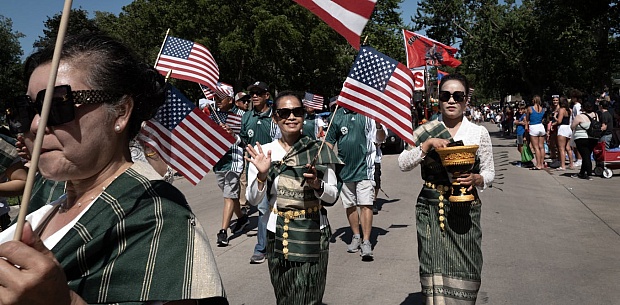
A Black drummer in a powdered wig, a Jewish stone placed at a founding father's grave, a woman in a sari marching toward the State House - sociologist Catherine Simpson Bueker witnessed this scene at a Boston Fourth of July parade twenty-five years ago and spent the decades that followed trying to understand what it meant. Her research across parades, festivals, and road races reveals that public celebrations do something formal citizenship cannot: they create the felt experience of belonging, the kind that comes from dancing alongside a neighbor or learning about shabbat because you happened to win a 5K. In Kentucky's Appalachia, she found communities reclaiming the word "hillbilly" and wearing red bandanas to honor a labor history in which Black and white miners stood together - while food trucks from Asian, Mexican, and Middle Eastern vendors lined the festival grounds nearby. As historian Yuval Harari warns, "without a strong national community, democracy cannot survive," and Bueker's work suggests that community is built less in voting booths than in the shared, joyful, slightly chaotic space of a street parade. What her research quietly insists is that belonging has always been something Americans make together, one celebration at a time.