News Story
 Environment
The Better India · 14 hours ago
Women in Odisha Take Charge to Build a 1 Million Mangrove Climate Shield
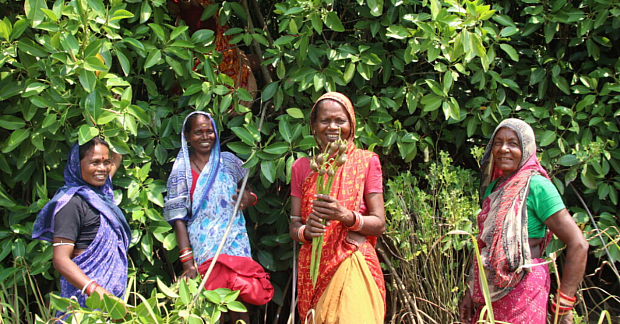
Along the Devi River mouth in Odisha, where a 1999 super cyclone killed more than 10,000 people and stripped the coast bare, women are pressing mangrove saplings into the mud - one propagule at a time - and in doing so, reclaiming both a landscape and their place within it. Bina Kandi, who was five months pregnant when seawater rose to neck level and she waded through floodwaters not knowing if she would survive, now plants with the kind of purpose that only personal grief can forge: so that "future generations do not have to endure the fear, loss and suffering we went through." What makes this effort quietly extraordinary is how it works on multiple levels at once - 45,000 saplings planted with an 80 percent survival rate, women moving from the edges of village life to the center of ecological planning, and a community that once extracted firewood from these same forests now standing guard over them. Conservationist Soumya Ranjan Biswal, who pays women around Rs 6,000 a month for their work, is clear-eyed about what that exchange really means: "We are paying communities to protect mangroves - this creates ownership." Root by root, the coastline is becoming something it has never quite been before: a place where the people most shaped by disaster are the ones deciding what grows next.