News Story
 Arts
Arts
themarginalian.org · 15 hours ago
The Art of Losing and the Art of Beckoning Love Back: the Story Behind One of the Greatest Poems Ever...
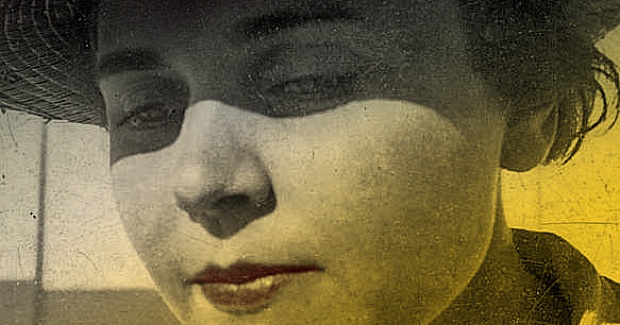
Elizabeth Bishop had already survived extraordinary loss - a beloved partner's suicide, decades of solitude, the quiet exile of loving across the boundaries her era imposed - when she fell, improbably and completely, for Alice Methfessel, a woman half her age whose blue eyes became, in Bishop's words, "the sky of a new world." When alcohol and exhaustion drove Alice toward another life, Bishop did the only thing she knew: she wrote her way through it, across seventeen drafts, into what became "One Art," a poem that performs its own argument - that loss can be mastered, even as the final stanza breaks open and admits it cannot. She sent the poem to Alice like a letter she couldn't otherwise write. What brought Alice back remains unknown - the poem, a moment of fragility, or simply love's unreasonable gravity - but she returned, and they stayed together until a cerebral aneurysm ended it all on an ordinary October evening. The story behind one of the greatest poems in the English language turns out to be a story about the oldest human truth: that love, in its fullness, contains both the disaster and the art of surviving it.