News Story
 Inspiration
themarginalian.org · 15 hours ago
Thich Nhat Hanh on the Art of Deep Listening and the 3 Buddhist Steps to Repairing a Relationship – the...
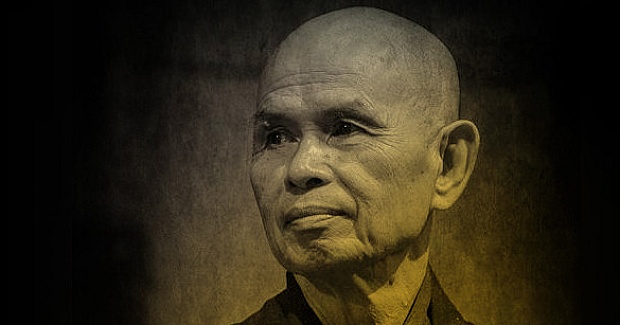
When a relationship fractures, the mind rushes to explain - and almost always, Maria Popova writes, that explanation "has more to do with our own fears and vulnerabilities than it does with the reality of the situation." Drawing on Thich Nhat Hanh's teachings in *Fear: Essential Wisdom for Getting Through the Storm*, this piece traces the Buddhist teacher's three-step path through conflict: acknowledging that one's inner picture may be wrong, approaching the other person not with accusation but with a request for understanding, and then doing the hardest thing - listening deeply enough to let that understanding actually land. Hanh's insight cuts quietly against the Western reflex toward self-certainty, offering instead the radical proposition that "once communication is restored, everything is possible, including peace and reconciliation." What emerges is less a technique than a reorientation - toward the humbling, generous recognition that the person across from us is also suffering, also misreading, also trying to make sense of a world seen only partially from where they stand.