News Story
 Arts
Arts
themarginalian.org · 13 hours ago
Storytelling and the Art of Tenderness: Olga Tokarczuk’s Magnificent Nobel Prize Acceptance Speech – the Marginalian
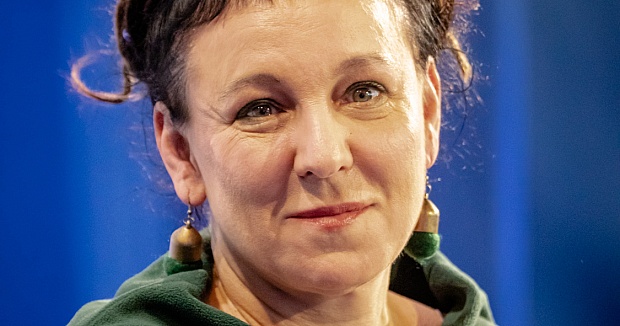
In her Nobel Prize acceptance speech, the Polish novelist Olga Tokarczuk argues that the stories a culture tells determine not just how it sees the world, but how much of the world it is willing to care for. Maria Popova's meditation on that speech traces how tenderness - quiet, unscripted, unbothered by glory - may be the most radical act available to us, a way of looking that makes the lives of others feel as real and consequential as our own. Tokarczuk defines it with disarming precision: "Tenderness is the most modest form of love... It appears wherever we take a close and careful look at another being, at something that is not our 'self.'" Against a media landscape that profits from the smallness of selfing, she calls for a literature - and by extension a life - that moves ex-centrically, outward from the self toward the vast web of mutual existence to which every human being already belongs. What Popova surfaces in this essay is not a prescription but a recognition: that the capacity to narrate another person's inner life with care is not a literary technique but a moral one, and perhaps the closest thing we have to salvation.