News Story
 Inspiration
themarginalian.org · 8 hours ago
The Souls of Animals – the Marginalian
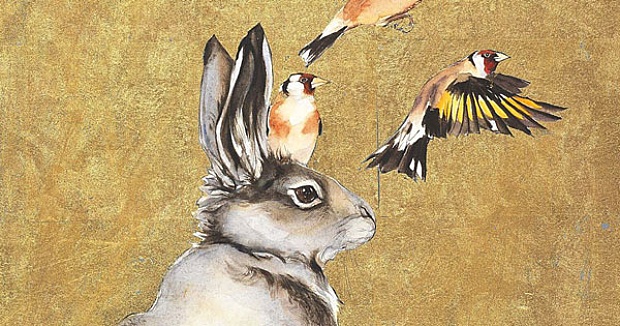
When a nineteenth-century naturalist wounded a tern and watched as others descended to carry the injured bird - in relay, wing by wing, all the way to shore - he found he could not fire again. That moment of witnessed compassion is at the quiet center of Maria Popova's exploration of Gary Kowalski's *The Souls of Animals*, a book that asks whether the interior life we call soul has ever truly belonged to humans alone. Kowalski, a parish minister who tends to the dying and the morally adrift, defines soul not as metaphysical property but as lived evidence: "the tough and tender moments when we are most intensely and grippingly alive" - and he finds that evidence everywhere, in an elephant's lyrical charcoal drawings, in the grief of gorillas, in the dreaming of birds. What Popova surfaces in his argument is something at once humbling and enlarging: that in studying the inwardness of other creatures, we do not diminish our own but discover its source, since "we know ourselves as human, in part, through our relationships with the nonhuman world." To take that seriously is to understand that our capacity for goodness is not a crown we wear over nature, but a thread running through it.