News Story
 Environment
themarginalian.org · 13 hours ago
Nature and Creativity: the Science of “Soft Fascination” and How the Natural World Resets the Brain – the Marginalian
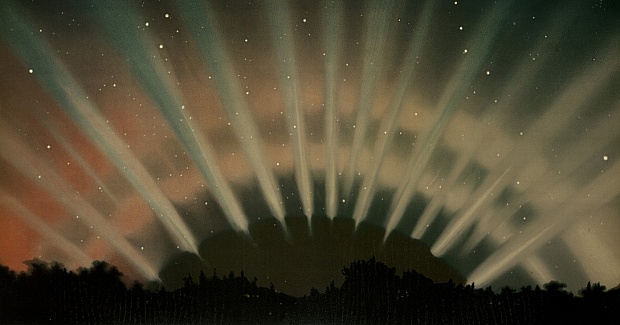
From Thoreau praying in the woods to astronauts staggered by the overview effect, humans have long sensed what science is now confirming: that nature does something to the mind that nothing else quite can. Drawing on William James's early study of attention and Annie Murphy Paul's research into thinking beyond the brain, Maria Popova traces how "soft fascination" - the effortless, drifting attention that natural environments invite - activates the brain's default mode network, where "currently active thoughts can mingle with the deep stores of memories, emotions, and ideas already present in the brain, generating inspired collisions." Awe, nature's more forceful gift, goes further still, functioning as what researchers call "a reset button for the human brain" - loosening rigid thinking, dissolving stereotypes, and making the mind newly willing to revise what it thought it knew. What emerges from this body of work is something quietly humbling: our brightest thinking and our most expansive selves are not achievements we manufacture through effort, but capacities we recover when we stop, step outside, and let something larger than ourselves do its work.