News Story
 Inspiration
themarginalian.org · 13 hours ago
20 Ways of Surfacing From the Blues: Sydney Smith’s 200-year-old Strategies for Raising Low Spirits in a Letter of Advice...
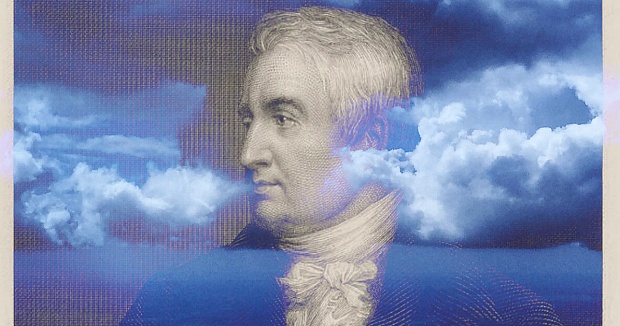
In 1820, the Anglican clergyman and writer Sydney Smith sat down to write a letter of practical counsel to a 13-year-old girl struggling with what we now call depression - twenty prescriptions for surfacing from the darkness, ranging from cold showers to blazing fires to the quiet discipline of not being too severe with oneself. That he did so at all - a celebrated man of letters pausing to tend to the interior life of a young woman in a world that denied her formal education - says something about the kind of attention goodness actually requires. His deepest conviction, woven through decades of sermons and letters, was that "the greatest misfortune we have suffered is the sum total of useless vexation inflicted on ourselves and others" by failing to incline toward benevolence. Two centuries later, his letter endures not as a relic but as a quiet corrective - a reminder, as Maria Popova frames it, that "our greatest antidote to helplessness is always to help someone." Even the letter's closing signature counts as one of his twenty prescriptions, a small insistence that to reach toward another and be reached back is itself a form of light.