News Story
 Environment
The Better India · 22 hours ago
Northeast India Millets: How Indigenous Communities Preserved Ancient Millet Farming Traditions
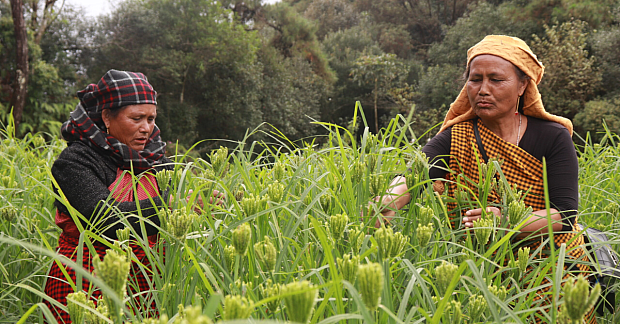
When supply chains collapsed during the COVID-19 pandemic in Nagaland's Shamator district, women from the Self Employed Women's Association began quietly moving through neighboring villages, collecting millet seeds that had nearly vanished from the land. What grew from that act of recovery - now called the Millet Sisters - has brought nearly 90 farmers back to cultivating grains their communities had tended for centuries, grains that fed families through uncertain seasons, sustained livestock, and anchored festivals like Metümnyo, where millet is brewed and shared in prayers that mark the close of the agricultural year. The story unsettles a common assumption: that the millet revival sweeping India represents a return to something lost, when in truth, as the Frontiers study documents, "the country's millet revolution did not begin in recent years - it has been quietly unfolding in the hills of Northeast India for centuries." What the women of Shamator restored was not a relic but a living system, one that had simply been pushed to the edges by cheaper rice and policies that mistook modernity for progress. Their work is a reminder that the knowledge needed to face a changing climate often already exists - held carefully by those whom larger systems long overlooked.