News Story
 Inspiration
The Better India · 16 hours ago
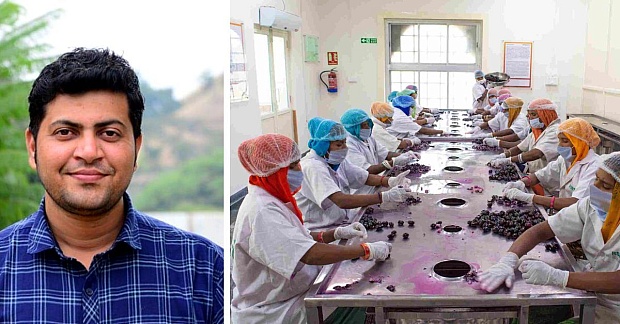
Couple Empower 1000 Tribal Families with Jamuns, Build Multi-Crore Biz
When Rajesh Oza returned to his childhood village in Rajasthan after struggling in Mumbai, he carried back something the city couldn't give him - a clear-eyed understanding of what was being lost. He had watched tribal families walk miles to sell forest fruit at prices that barely covered their effort, a quiet injustice so familiar it had become invisible. Together with his wife Pooja, he built Jovaki and Tribalveda from a two-lakh-rupee investment into enterprises now supporting over a thousand tribal families - not by extracting value from the land, but by helping communities claim more of it for themselves. "Kam daam mein bikna unki majboori thi," he says - they were forced to sell cheap - and that phrase became the founding principle of everything they built. Perhaps most telling is what happened to the trees: once cut down for firewood, they are now carefully preserved by the same communities who have come to see them as a source of dignity and livelihood.