News Story
 Environment
The Better India · 20 hours ago
How an Orphaned Palm Civet From Assam Became an Ncert Class 10 Lesson -Baby Bhakat Story
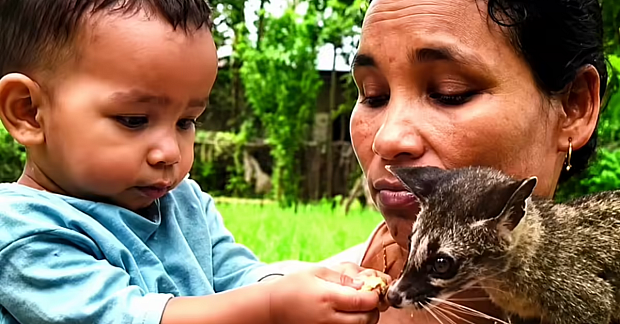
When a two-week-old Asian palm civet fell from a tree in Assam in 2009, a local family faced an unlikely choice - and Anjali Saikia, already nursing her six-month-old son Gibon, chose to nurse the orphaned cub as well, naming him Bhakat and raising him as a third child. Seventeen years later, Gibon came home from his Class 10 board exams to find that story preserved in his own NCERT English textbook - and had to be told by his parents that the baby in the photographs was him. The chapter, titled "Baby Bhakat," now reaches millions of students across India, quietly reframing how a generation might see the Asian palm civet, a creature long burdened by names like "gravedigger" and "baby stealer" but described by wildlife experts as shy, solitary, and ecologically vital. What the story carries beyond its facts is something harder to name: the way a single unremarkable act of kindness, chosen without any thought of an audience, can travel from a coconut tree in a small Assam town to the hands of children who will grow up having learned, early, that compassion and conservation are often the same thing.