News Story
 Sports
Positive News · 7 hours ago
The Marginalised Groups Finding Community Through Football
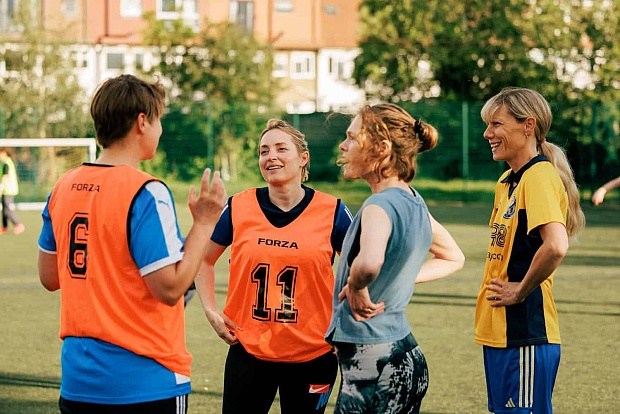
Across England, the people long pushed to the edges of football - women, disabled players, LGBTQ+ athletes, those from ethnic minority communities - are quietly remaking the sport from the ground up, filling grassroots clubs with a hunger that professional stadiums, with their record-high ticket prices and rising discrimination reports, have done little to earn. For Farishta Karimi, a 22-year-old Afghan refugee who had never been permitted to run in public until 18 months ago, a Wednesday night pitch in south London has become something almost unimaginable: "Football makes me feel really free." What these clubs offer isn't just a game but the rarer thing beneath it - the assurance, as Leicester Nirvana's Ivan Liburd puts it, that "once you're in here, we'll protect you," a promise shaped by the discrimination he himself endured as a child. The growth is measurable - women's grassroots participation up 19% in a year, disability registrations climbing, waiting lists that could fill teams three times over - but the numbers only gesture at what's actually happening, which is that people deprived of belonging are building it themselves. There is something quietly clarifying about a movement whose momentum comes not from institutions finally opening their doors, but from those who were excluded deciding, together, that the door no longer matters.