News Story
 Community
Guardian · 15 hours ago
‘When I Go out, People Throw Jabs at us’: the Nigerian Families Fighting for Their Disabled Children | Global Health...
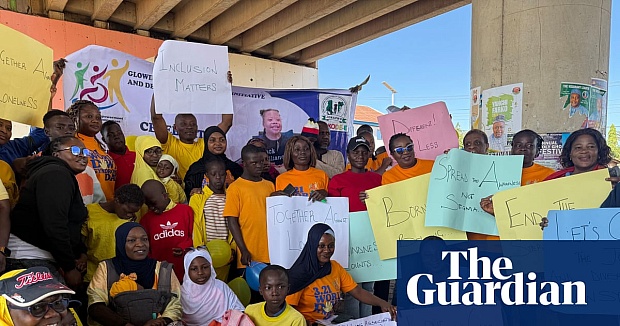
In Nigeria, where children born with Down's syndrome or cerebral palsy are still sometimes called cursed or accused of witchcraft, a mother named Fatima Muhammad learned to endure the stares and profanities that followed her son Alameen into every public space - until, for the first time, she walked those streets in his name. That march, organized by Safiya Atta Mansoor, a retired finance director who built an advocacy organization after watching her niece with cerebral palsy fall through every gap society offered, drew over a hundred families, doctors, and officials into the streets of Jos to demand what should never have required demanding. Mansoor's measure of success is not a policy victory but something quieter: a future where children like Naseerah can, as she puts it, "take care of themselves by themselves, to whatever extent they can." What this story reveals is how much courage it takes to love a child openly in a community that treats that child as a warning - and how one person's refusal to accept that as normal can become, slowly, a movement. "If we can keep going out like this, and our voices are being heard," Mansoor says, "we change the narrative."