News Story
 Technology
Reasons To Be Cheerful · 11 hours ago
Tampons Are Becoming a Valuable Medical Tool
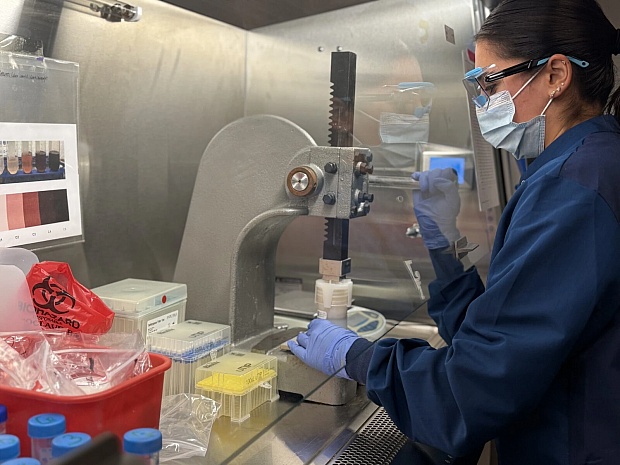
For decades, menstrual blood was treated as something to be discarded - biologically inert, culturally unmentionable, and medically invisible. Ridhi Tariyal saw it differently. After her own doctor dismissed her request for a routine fertility test, she channeled that frustration into building NextGen Jane, a company that collects blood samples from used tampons to diagnose conditions like endometriosis - a disease that currently takes women seven to ten years on average to identify, and typically requires surgery to confirm. But the most startling discovery came from simply paying attention: every month, the uterus breaks down and rebuilds its entire lining without leaving a single scar, a feat of controlled healing that no other tissue in the body reliably replicates. "How can the body know how to heal with no fibrosis, no scabbing?" Tariyal asks - and that question has quietly reoriented her company's mission from diagnostics toward unlocking what the body already knows about repair, with implications for lupus, inflammatory bowel disease, and other chronic conditions where healing gets stuck. What began as one woman's refusal to accept a dismissive answer has become a new field of medicine, built on something billions of people discard every month without a second thought.