News Story
 Inspiration
themarginalian.org · 12 hours ago
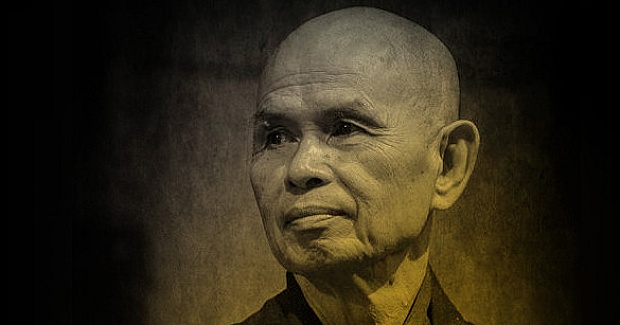
How to Love: Legendary Zen Buddhist Teacher Thich Nhat Hanh on Mastering the Art of “Interbeing” – the Marginalian
Thich Nhat Hanh's slim but inexhaustible book *How to Love* rests on a deceptively simple premise: "understanding is love's other name," and to truly love another person is to fully comprehend their suffering. Drawing on Buddhist teachings, the legendary Vietnamese monk and peace activist argues that the size of our hearts determines what we can hold - that when they are small, other people's shortcomings become intolerable, but when they expand, "these same things don't make us suffer anymore." What makes his vision quietly radical is the insistence that this expansion begins not with the beloved but with oneself, that happiness nourished inward becomes the only genuine thing one has to offer outward. Perhaps most striking is his concept of "interbeing" - the recognition that no self exists in isolation, that just as a flower is made entirely of non-flower elements, a human being is made entirely of non-self elements, and that love is simply what happens when we stop pretending otherwise.